How Much Does an African Safari Cost? | Expert Guide
One of the first questions I hear when someone starts dreaming about an African safari is, “How much is this actually going to cost?” My answer usually starts with a question of my own: “How uncomfortable are you okay being?”
That might sound unusual coming from a luxury travel advisor, but it gets to the heart of safari planning. The same wildlife-rich trip can look very different depending on the accommodations, the number of parks, how you travel between them, and the level of comfort you expect.
How Much Should You Budget for an African Safari?
When I talk with clients, I generally start around $5,000 per person, including flights from the United States, for a basic six-night safari in Kenya. That is a planning starting point, not my definition of a luxury safari. A higher budget can provide a substantially more comfortable experience.
Illustrative planning ranges for approximately six to eight nights, two travelers sharing, with an economy-airfare allowance: roughly $5,000–$7,000 per person for a more basic safari; $8,000–$15,000 for an upscale experience; and $15,000–$25,000+ for exceptional luxury. These are not quotes, and actual costs can fall outside these ranges depending on season, route, flights and inclusions.
Why Are African Safaris So Expensive?
Guides and wildlife expertise
A guide is a central part of the experience, not an occasional add-on. Guides understand wildlife behavior, changing conditions, and the landscape. That expertise helps turn game drives into a much richer experience.
Park and conservation fees
National parks and private conservancies can charge entrance and conservation fees, and different safari proposals handle them differently. Before comparing two prices, check whether these charges are included. For official information, consult Kenya Wildlife Service.
Remote accommodations and operations
Lodges and camps operate in remote areas, sometimes with conservation-related design and service restrictions. Food, supplies, equipment, and staff support must reach these locations while the property still delivers hospitality and comfort.
Luxury Tented Camps vs. Safari Lodges
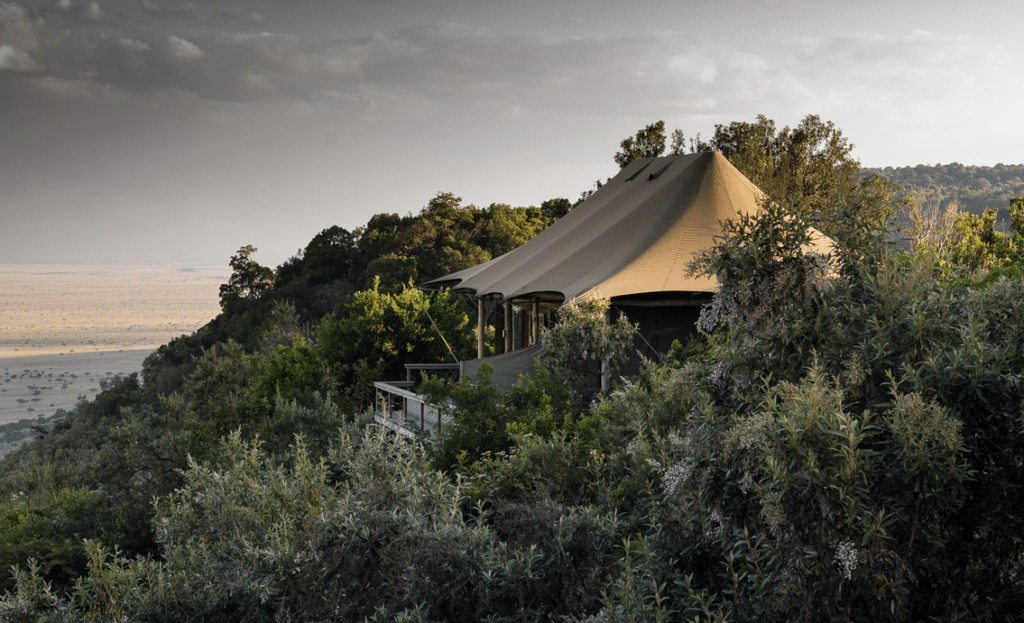
Travelers often hear “tented camp” and imagine sleeping bags or rough camping. But a luxury tented suite can offer beautiful furnishings, proper beds, private bathrooms, expansive decks, and extraordinary views. Likewise, a permanent lodge is not automatically more luxurious than a tented camp.
For a visual example, see Angama Mara, which I also mention in my luxury bucket-list travel article. For photography approval, use the official Angama Mara tented-suite gallery.
The Cost Travelers Often Underestimate: Distance
Travelers routinely underestimate the distances between safari regions. On a map, moving between parks can look easy; on the ground, the roads and border logistics can take much longer than expected. This is especially relevant when combining Kenya and Tanzania.
A real Kenya and Tanzania itinerary
One itinerary began with two nights in Nairobi, including local sightseeing and a visit to the Sheldrick Wildlife Trust elephant nursery. The safari then included two nights in the Maasai Mara, two nights in the Serengeti, one night near Ngorongoro, and one night in Amboseli.
That variety brings remarkable opportunities, but it also means a lot of moving. When possible, I want clients to understand the trade-off between checking off more parks and spending enough time enjoying each destination.
Where I Would Spend More on a Safari
Better accommodations
A well-chosen upgrade can improve the entire stay, not just the hours spent sleeping. Some travelers value beautiful design, privacy, a pool, or a more intimate camp atmosphere.
An improved game-drive vehicle
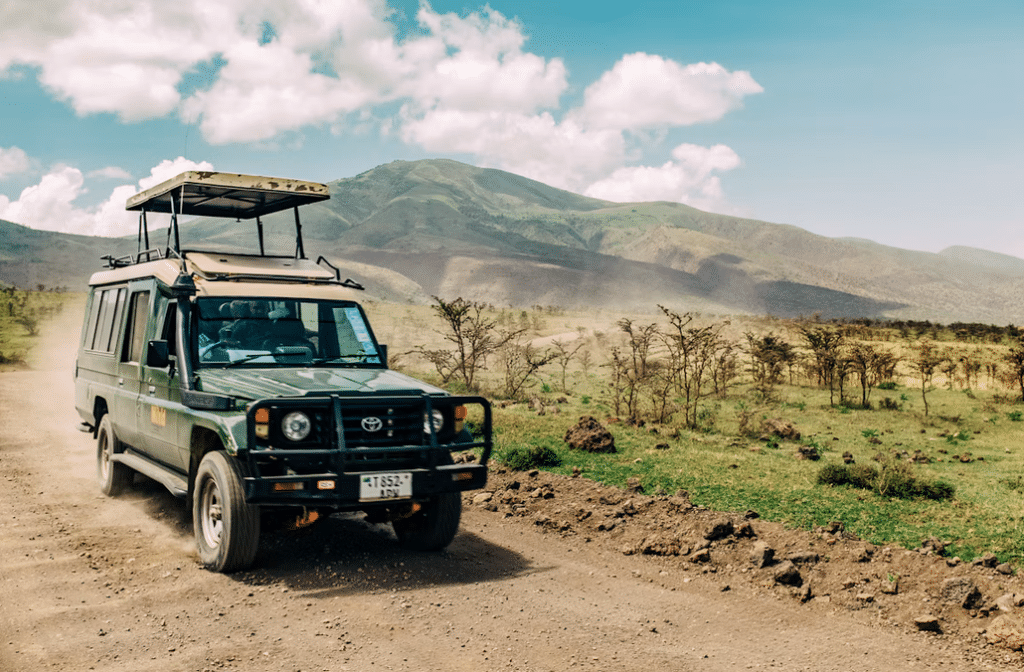
Game drives can mean hours in a vehicle. Seating, visibility, the number of other guests, and private-vehicle options all affect comfort and photography opportunities.
Flying between safari regions
If the budget allows, flying between parks is one of the upgrades I consider most worthwhile. It may replace long road transfers with a shorter journey and give travelers more time at camp. Flights still depend on routes and schedules, and small aircraft often have strict baggage restrictions.
These decisions reflect my broader approach to travel: spend on what actually improves the trip. I discuss related ideas in five ways to VIP your trip.
Does Season Affect Safari Pricing?
Yes. Wildlife patterns, demand, and availability all influence pricing. Peak migration periods may cost more, but the most expensive month is not automatically the best fit for every traveler. I would rather choose the destination and season around what the client most wants to experience.
What Is Included in a Safari Quote?
Depending on the operator, the price may cover accommodations, meals, selected drinks, game drives, guiding, transfers, and park fees. International airfare, regional flights, gratuities, insurance, premium beverages, private vehicles, and optional experiences may be separate. Always compare what is actually included.
If you are organizing a safari with friends or family, the group’s comfort preferences and expectations deserve an early conversation. Some of the same planning principles appear in my group travel tips.
How Many Nights Do You Need?
For clients traveling from the United States, I often start the conversation around six safari nights in Kenya. But the ideal length depends on whether this is the entire trip or part of a longer African vacation. I would not pack in extra parks simply to make the itinerary look more impressive.
Is a Luxury African Safari Worth the Money?
A memorable safari does not require the most expensive property. But better accommodations, a more comfortable vehicle, and well-chosen flights between parks can improve the experience in ways that matter. The goal is not to spend the most; it is to make the most of the investment.
For other once-in-a-lifetime journeys, explore our bucket-list travel experiences.
Plan Your African Safari With The Trip Atelier
At The Trip Atelier, we help travelers balance wildlife priorities, travel time, accommodations, and budget to create a safari that feels right for them. Schedule a travel consultation to start planning.