4 Best Italian Regions Beyond Rome, Florence & Venice
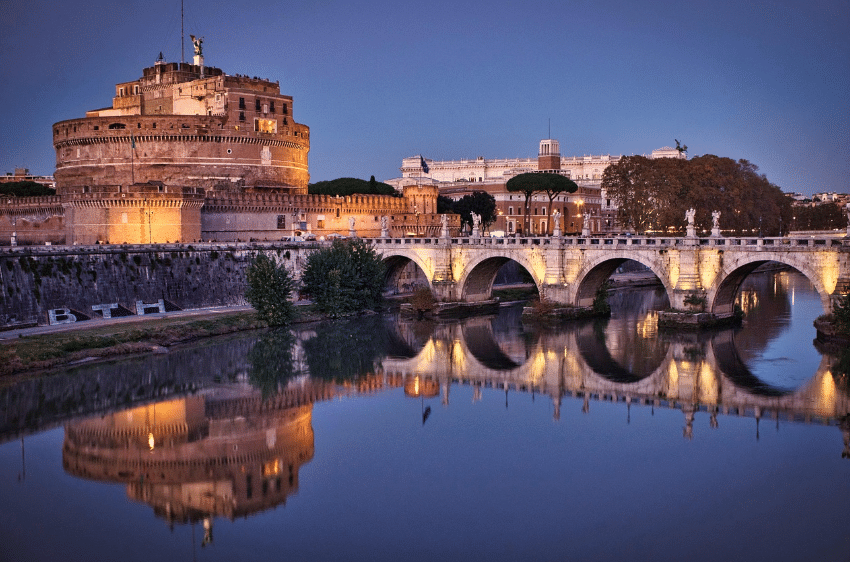
When most travelers think of Italy, three destinations immediately come to mind: Rome, Florence, and Venice. And while these iconic cities deserve their reputations, some of Italy’s most memorable experiences happen beyond the traditional tourist circuit.
As the founder of The Trip Atelier, a boutique luxury travel agency, I believe the best Italian regions’ vacations are built around authentic local experiences, thoughtful pacing, and the freedom to enjoy a destination rather than rush through it.
If you are still planning a first visit, our guide to experiencing Rome in three days is a useful starting point. But if you are ready to discover a different side of Italy, consider the Amalfi Coast, Puglia, the Dolomites, and Sicily.
The Amalfi Coast: Coastal Villages, Lemon Groves, and Dramatic Views
The Amalfi Coast is strikingly different from Italy’s major train-connected cities. Its winding roads, hillside villages, and coastal geography require more careful transportation planning. That sense of separation is also part of its appeal: this is a place to slow down, take in the views, and enjoy beautiful small towns.
Why I Recommend Positano
Positano has a charming village atmosphere, colorful buildings that cascade toward the sea, boutiques, and inviting restaurants. It makes a memorable base, but visitors should understand that day trips to Sorrento and other towns take planning. Private drivers, ferries when operating, and prearranged transfers are often more practical than expecting easy train connections.
Experience the Region, Not Just the View
The Amalfi Coast is known for its lemons, grown on steep terraces and celebrated in regional cuisine. Consider a lemon-grove visit, a cooking class, a boat outing, or a long lunch overlooking the water. These local experiences often become the most memorable part of a trip.
Luxury Accommodations to Consider
Positano and the surrounding coast offer celebrated hotels such as Il San Pietro di Positano, Le Sirenuse, Borgo Santandrea, and Hotel Miramalfi. These are research suggestions, not claims of personal stays or endorsements.
My preferred stay is at least three nights, and ideally four or five, to leave time for both exploration and relaxation.
Puglia: Beaches, Whitewashed Towns, and Distinctive Architecture
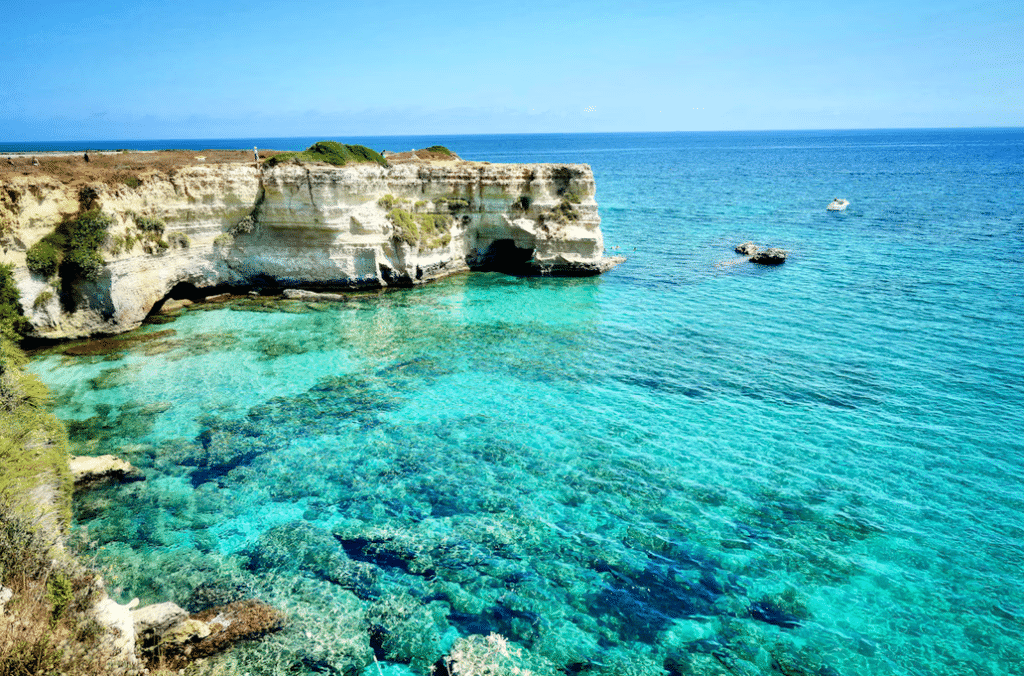
Puglia, in the heel of Italy’s boot, offers a compelling mix of beautiful beaches, coastal villages, and architecture unlike what many travelers associate with Italy. It is especially appealing to people who want to explore at their own pace.
Towns Worth Exploring
• Polignano a Mare for dramatic cliffs and turquoise water.
• Monopoli for its historic harbor and coastal atmosphere.
• Ostuni for its whitewashed streets.
• Alberobello for traditional trulli houses.
• Lecce for richly detailed Baroque architecture.
Regional cuisine is another reason to explore. Our guide to five delicious things to eat in Italy offers additional culinary inspiration, including a specialty associated with Puglia.
Why Transportation Matters in Puglia
A rental car can make it much easier to reach smaller towns, countryside accommodations, and coastal spots. Some places are served by rail, but a car or private driver gives you more flexibility. I recommend choosing one or two convenient bases and taking day trips rather than moving hotels constantly.
Allow four or five nights, or longer if beach time is a priority.
The Dolomites: Hiking, Alpine Scenery, and Mountain Luxury
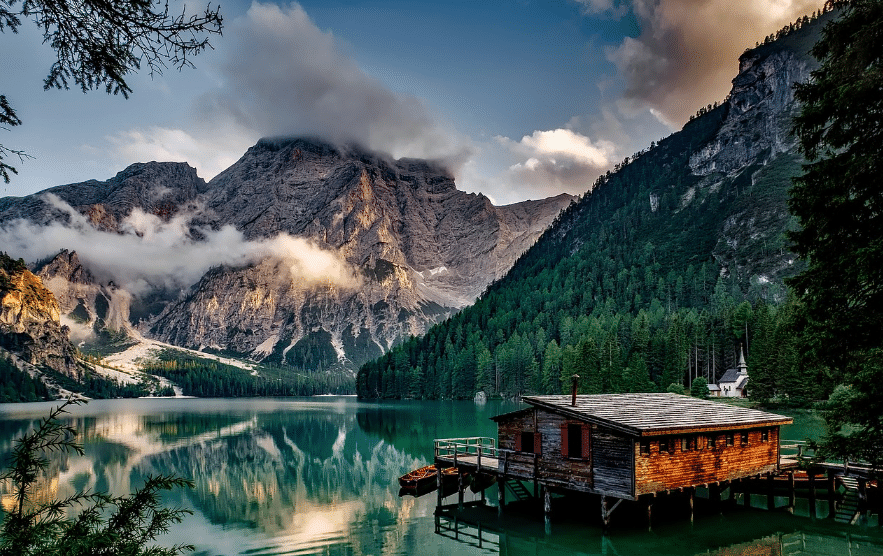
The Dolomites reveal an entirely different Italy. Instead of bustling historic cities or Mediterranean beaches, travelers find jagged peaks, green valleys, mountain villages, and remarkable hiking opportunities.
Where to Explore
• Val Gardena for mountain access and hiking.
• Alpe di Siusi for broad alpine meadows.
• Cortina d’Ampezzo for a stylish mountain base.
• Seceda for dramatic ridgeline scenery.
• Lago di Braies for a picturesque alpine lake.
I particularly recommend the Dolomites to travelers who enjoy active days paired with comfortable hotels, spas, and leisurely evenings. Hiking conditions, lift schedules, and access vary by season, so plan around the specific activities you want.
Four or five nights allows time for hikes, weather flexibility, and a day of rest.
Sicily: Layered History, Coastal Beauty, and Luxury Stays
Sicily offers its own cultural identity, shaped by centuries of Mediterranean influences. It combines historic sites, vibrant towns, coastal scenery, and extraordinary regional food. The island is larger than many visitors realize, making thoughtful route planning essential.
Taormina and the White Lotus Hotel
Taormina is one of Sicily’s best-known destinations, with sea views, historic streets, and access to Mount Etna. San Domenico Palace, Taormina, A Four Seasons Hotel, appeared in season two of HBO’s The White Lotus and is an appealing luxury-hotel example for travelers considering the area.
Beyond Taormina
• Mount Etna for volcanic landscapes and guided outings.
• Syracuse and Ortigia for history and waterfront streets.
• Noto and the Val di Noto for Baroque architecture.
• Agrigento for the Valley of the Temples.
• Palermo for markets, food, and cultural heritage.
If you love discovering islands beyond the usual routes, our guide to five hidden gem islands in Italy introduces additional Mediterranean destinations, including islands connected to Sicily.
For a shorter Sicily trip, I would focus on one part of the island rather than trying to see it all. Five to seven nights is a useful starting point, and a longer trip can be even more rewarding.
Common Mistakes Travelers Make Outside Italy’s Big Cities
Assuming Everywhere Is Connected by Train
Italy’s intercity rail network is excellent, but smaller coastal towns, mountain areas, and countryside properties may require a rental car, ferry, or private driver. Plan the logistics before booking hotels.
Expecting English Everywhere
English is widely used in many tourism businesses, but it may be less common in small towns and rural areas. A few Italian phrases and a translation app go a long way.
Depending Only on American Express
American Express is not accepted everywhere, particularly by smaller businesses. Carry a Visa or Mastercard as a backup and have access to some cash.
Trying to See Too Much
This is the mistake I most want travelers to avoid. Too many hotel changes and long transfers can make a vacation feel like a checklist rather than an experience.
My Approach: Slow Travel and Thoughtful Regional Itineraries
My rule of thumb is a minimum of three nights per location, with longer stays whenever possible. I prefer using a comfortable base for day trips, keeping destinations geographically connected, and leaving room for spontaneous experiences.
For a 10- to 12-day trip, I like to build in a completely unplanned day around the middle. Maybe you relax by the pool, explore a neighborhood, or simply do laundry. That day is not wasted time; it is part of enjoying the trip.
I also encourage travelers to prioritize local experiences: a cooking class, a small village, a local guide, a family-run restaurant, or a vineyard visit. I would rather design a trip that explores one region well than send someone rushing from Milan to Sicily just to say they visited both.
Our custom travel planning services are designed around that same philosophy: meaningful experiences, comfortable pacing, and transportation that makes sense.
Three Ways to Spend 10 to 12 Days Beyond the Classic Italy Route
Option One: Puglia and the Amalfi Coast
Combine four or five nights in Puglia with four or five nights on the Amalfi Coast, adding travel time as needed. This is a multi-region itinerary, so I would plan transfers carefully and avoid unnecessary extra hotel stops.
Option Two: Sicily in Depth
Stay in two well-chosen bases, such as Taormina and Ortigia or Syracuse, and use day trips for Mount Etna, Noto, and nearby sights. This is an especially strong option for travelers who want history, coast, and cuisine without crossing the whole country.
Option Three: The Dolomites and Northern Italy
Spend five nights in the Dolomites, then several nights around Lake Garda or another nearby northern destination.
This combination balances hiking, mountain scenery, and relaxation.
Which Italian Region Is Right for You?
• Choose the Amalfi Coast for romantic coastal scenery and beautiful villages.
• Choose Puglia for beaches, distinctive architecture, and small-town exploration.
• Choose the Dolomites for hiking, mountain landscapes, and wellness stays.
• Choose Sicily for history, cuisine, coastline, and cultural depth.
For even more ideas, explore our bucket-list travel inspiration.
Frequently Asked Questions
What is the best Italian region after Rome, Florence, and Venice?
It depends on your interests. The Amalfi Coast, Puglia, the Dolomites, and Sicily offer four very different ways to experience Italy beyond its most famous cities.
Do you need a car in Puglia or Sicily?
A car is often helpful for smaller towns and countryside excursions. Private drivers are a good alternative, while someroutes are possible by train. On the Amalfi Coast, a driver or ferry can be preferable to self-driving.
How many nights should you stay in each place?
I recommend a minimum of three nights and generally prefer four or five, especially when day trips are part of the plan.
Which region is best for hiking?
The Dolomites are an outstanding choice for alpine hiking, with routes for different fitness levels and experience.
Which regions are best for beaches?
Puglia and Sicily both offer excellent coastal experiences, while the Amalfi Coast is especially known for its dramatic cliffs and picturesque villages.
Plan Your Next Italian Journey With The Trip Atelier
Italy rewards travelers who take time to appreciate its regional differences. Whether you are dreaming of Positano, Puglia’s coastal towns, the Dolomites, or Sicily, The Trip Atelier can help create a personalized itinerary that balances authentic experiences, luxury accommodations, and a pace that feels like a vacation.
Schedule a personalized travel consultation with The Trip Atelier to start planning.