Easter Island: Unforgettable Journey into Chile’s Enchanting Mystique
Few destinations on Earth are as remote, mysterious, and awe-inspiring as Easter Island, or Rapa Nui as it is known to its Polynesian inhabitants. Located over 2,000 miles off the coast of mainland Chile in the southeastern Pacific Ocean, this tiny volcanic island is one of the most isolated inhabited places in the world. Yet despite its remoteness, Easter Island has become a bucket-list destination for travelers drawn by its iconic moai statues, unique culture, and natural beauty.
Whether you’re a history buff, an adventure seeker, or simply someone captivated by ancient mysteries, Easter Island offers an unforgettable experience that combines cultural richness with stunning landscapes. Here’s what makes this island so special — and why it deserves a place on your travel itinerary.
A Mysterious Past Carved in Stone
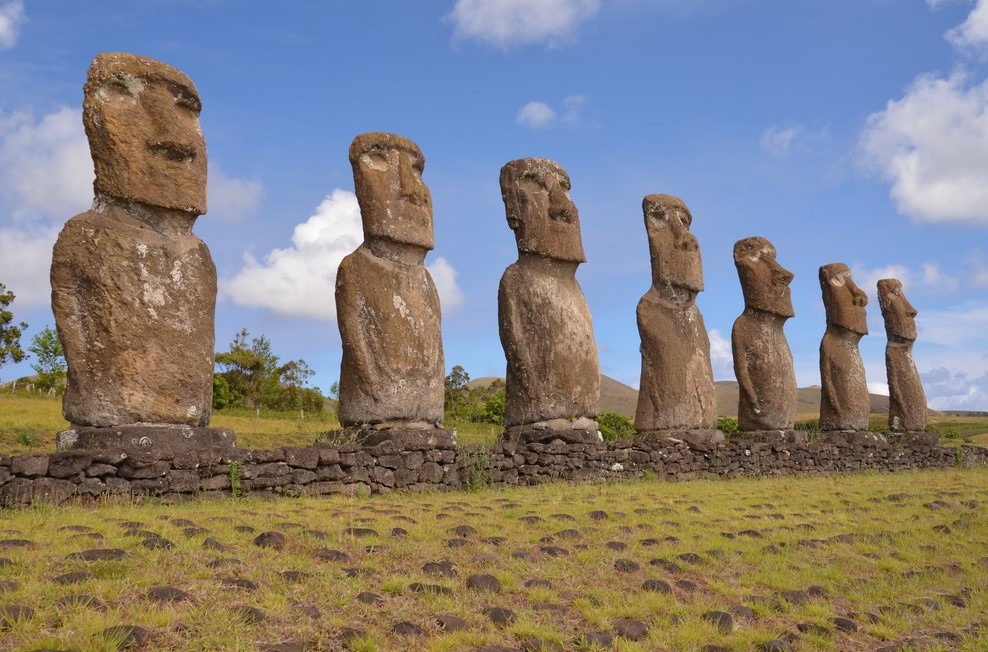
The first thing that likely comes to mind when thinking of Easter Island is the moai — the enormous stone statues that stand silently across the island, facing inland from coastal platforms called ahu. These statues were carved by the Rapa Nui people between 1100 and 1600 CE, using volcanic tuff found at the Rano Raraku quarry, which still houses many partially carved and unfinished moai.
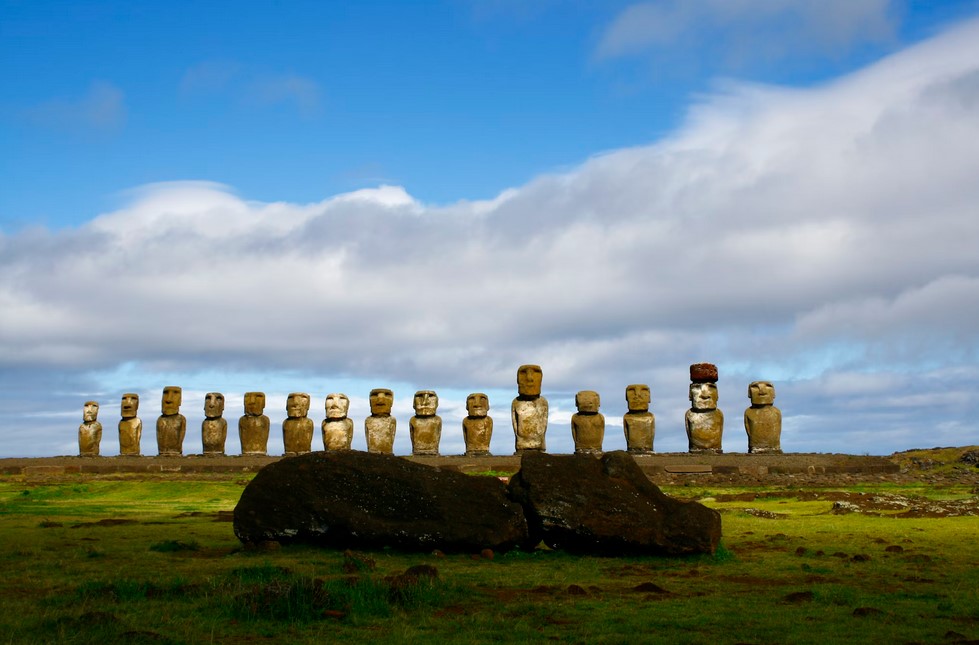
There are nearly 900 moai on the island, with some towering over 30 feet tall and weighing up to 80 tons. How the ancient islanders transported these megaliths across rough terrain remains a subject of speculation and scholarly debate, fueling the island’s air of mystery. Some theories suggest they were “walked” upright using ropes and a coordinated swaying motion, while others propose more conventional methods involving logs and sleds.
Regardless of how they were moved, the moai stand as powerful testaments to the ingenuity and spiritual devotion of the Rapa Nui people. Visiting these statues up close, particularly at Ahu Tongariki — the largest restored ceremonial platform with 15 standing moai — is a humbling experience that connects you to a long-lost world.
Cultural Connections and Modern Life
Though often thought of in the past tense, Easter Island is very much alive with culture and community. The island’s population of roughly 7,000 people, many of whom are descendants of the original Rapa Nui inhabitants, keep the traditions, language, and customs of their ancestors alive.
A great way to immerse yourself in the culture is by timing your visit to coincide with the Tapati Festival, held annually in early February. This week-long celebration showcases traditional dance, music, costume, and athletic competitions, including the haka pei, where daring participants race down a hillside on banana trunk sleds. It’s a vibrant and colorful insight into the island’s Polynesian roots, offering a deeper understanding of its people beyond the statues.
You’ll also find charming handicraft markets, traditional meals featuring tuna, taro, sweet potato, and plantains, and warm hospitality from locals proud of their heritage and happy to share it with visitors.
Nature’s Raw Beauty
Easter Island is more than just a cultural destination — it’s a haven for nature lovers. Formed by volcanic eruptions, the island features dramatic landscapes, including crater lakes, lava tubes, cliffs, and pristine beaches.
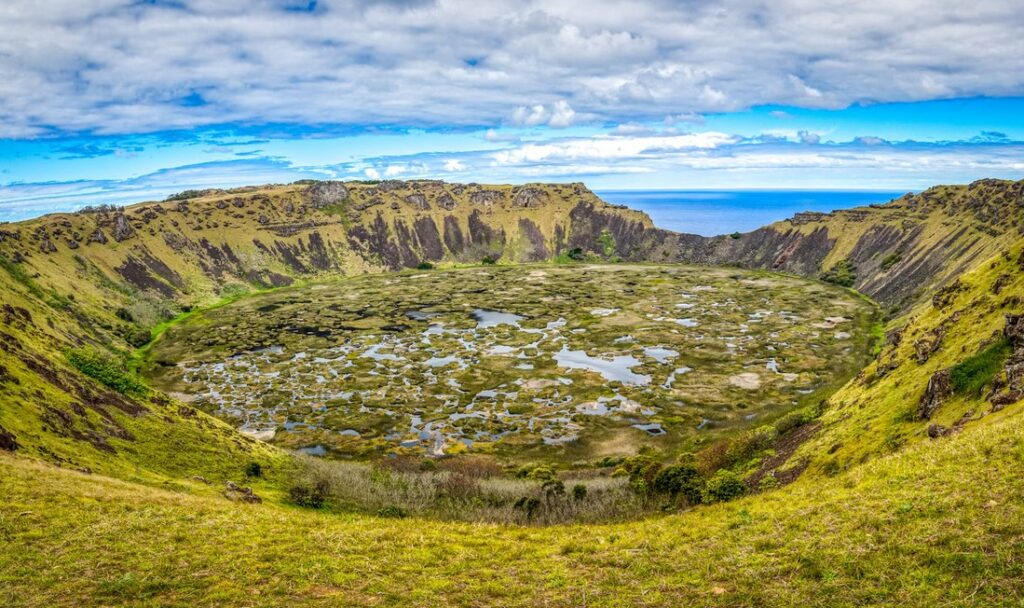
One of the best spots to explore is Rano Kau, a massive crater on the island’s southwestern tip. At the edge of the crater sits Orongo, a ceremonial village that played a vital role in the island’s Birdman Cult, a later religious tradition that succeeded the moai era. The view from here — with the crater lake on one side and the vast Pacific Ocean on the other — is one of the island’s most breathtaking.
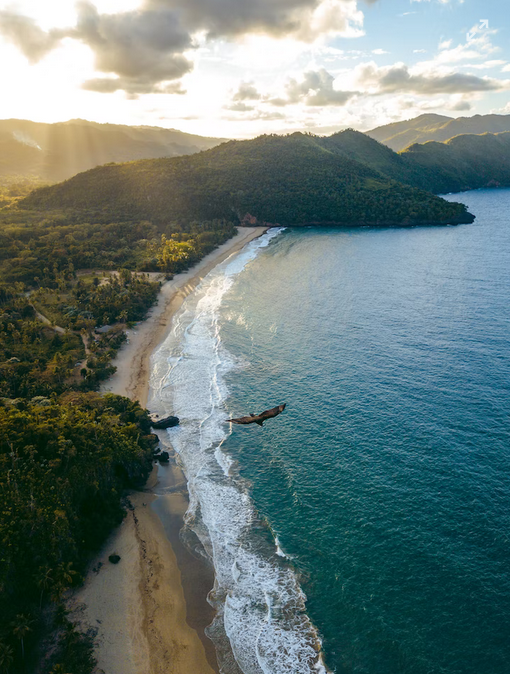
For beachgoers, Anakena Beach is a must-visit. With its white coral sand, swaying palm trees, and crystal-clear water, it feels like a tropical paradise. It’s also home to several moai statues, making it a rare place where you can enjoy both sunbathing and ancient history at once.
Adventure seekers can hike the island’s rugged trails, snorkel in coral reefs, or go horseback riding to more remote archaeological sites. And because Easter Island is relatively small — just 63 square miles — you can easily explore its diverse scenery at a relaxed pace.
Getting There and Getting Around
Reaching Easter Island requires some planning, as flights are limited. The main gateway is from Santiago, Chile, with LATAM Airlines offering regular (though not daily) flights. The flight takes about five to six hours, and it’s advisable to book well in advance, especially during peak seasons.
Once on the island, the main town of Hanga Roa serves as the central hub, with accommodations ranging from guesthouses and hostels to boutique hotels. The town also offers restaurants, shops, and rental services. Renting a car, bike, or ATV is the best way to explore at your own pace, as public transport is minimal.
Do note that tourism is regulated to help protect the island’s fragile environment and heritage. A visitor permit is required, and stays are limited to 30 days for tourists. Respect for the local rules and natural sites is crucial to help preserve this unique destination for future generations.
Travel Tips and Things to Know
- Weather: The island enjoys a subtropical climate with warm temperatures year-round. The driest months are from December to March, which is also the busiest tourist season.
- Language: Spanish is the official language, though many locals also speak Rapa Nui. English is spoken in tourist areas, but learning a few Spanish phrases will go a long way.
- Currency: The Chilean peso is the local currency, and credit cards are accepted at many businesses, though cash is advisable for small purchases or rural areas.
- Connectivity: Internet and mobile coverage are available in Hanga Roa but may be limited elsewhere. It’s a great excuse to disconnect and fully enjoy your surroundings.
Final Thoughts
Visiting Easter Island is like stepping into a living museum — one surrounded by the timeless beauty of the Pacific Ocean and echoing with the stories of a people who shaped massive stones with nothing but stone tools, muscle, and belief. It’s a place that ignites curiosity and reverence, and one that leaves an indelible mark on all who make the journey.
If you’re seeking a destination that’s equal parts mysterious, majestic, and meaningful, Easter Island is waiting — quietly, patiently, just as its moai have for centuries.
Which mystical wonders of Easter Island will spark your imagination and make this Chilean journey truly unforgettable? The Trip Atelier takes the stress out of vacation planning. Schedule a consultation and start crafting a memorable vacation today.