Is Japan LGBTQ Friendly? A Queer Traveler’s Honest Guide
Japan is one of those destinations that seems to be on everyone’s bucket list: neon-lit cities, ancient temples, incredible food, and a level of hospitality that is hard to find anywhere else. But for LGBTQ+ travelers, there is often an extra question before booking: will I feel welcome?
At The Trip Atelier, we believe travel should feel welcoming for everyone. In this guide, I’ll share what I learned as a queer woman in Japan, along with what LGBTQ+ travelers of every identity should know, from Tokyo’s famous Ni-chome and queer culture beyond the bars to Osaka, Pride, onsen etiquette, and where to stay.
Is Japan LGBTQ Friendly?
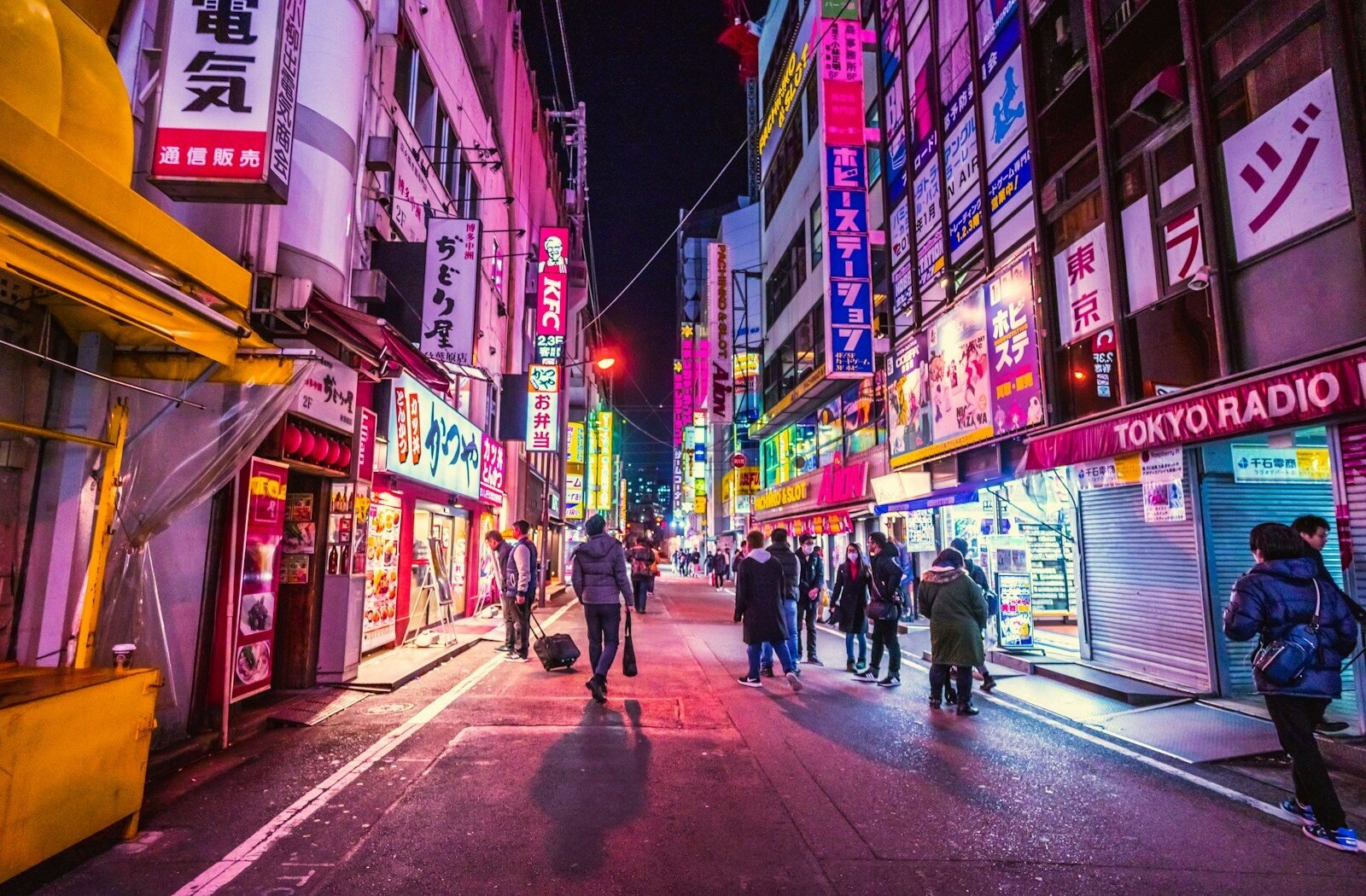
For most travelers, yes. Japan is generally considered one of the safest countries in the world, and same-sex couples are unlikely to face hostility. Queer life in Japan tends to be more low-key than in many Western cities. Relationships are often seen as personal and private, and public displays of affection are reserved for everyone, gay or straight.
The bigger cities, especially Tokyo and Osaka, have established queer neighborhoods and nightlife. Smaller towns and rural areas tend to be more conservative, so it’s worth keeping things a little more discreet outside the cities.
What to Know About LGBTQ+ Rights in Japan
Japan is the only G7 country that does not recognize same-sex marriage. That may change soon: the country’s Supreme Court has taken up six marriage equality cases together, and a ruling is expected in early 2027.
In the meantime, many cities offer local partnership certificates for same-sex couples. These systems now cover more than 90% of Japan’s population, though they are symbolic rather than legally binding. Public support for marriage equality is strong, particularly among younger people.
For travelers, none of this affects your visit day to day. Hotels and ryokan rarely blink at same-sex couples booking a room together.
Tokyo: Shinjuku Ni-chome, the Heart of Queer Japan
Shinjuku Ni-chome is Tokyo’s LGBTQ+ neighborhood and one of the largest queer districts in Asia. It’s an easy walk from Shinjuku or Shinjuku-sanchome station, and its few blocks are packed with tiny bars, many tucked into upper floors of nondescript buildings.
The best way to experience it is to wander. Most bars are tiny, sometimes seating only a handful of people, and each has its own crowd and personality.
It helps to know the difference between two kinds of spaces. Queer and mixed bars welcome everyone, whatever your gender or orientation. Designated lesbian or women-only bars were created specifically for queer women, and some are women only on certain nights. Both are an important part of Ni-chome.
I spent my nights at Gold Finger (more on that below), but these mixed bars are popular with international visitors of every identity:
- AiiRO Café: An open-air corner bar where the crowd spills onto the street on weekends. A great first stop.
- Campy! Bar: A lively drag bar welcoming queer and straight guests alike.
- Arty Farty: A long-running dance bar with a mixed crowd.
- Eagle Tokyo: A friendly bear bar that welcomes everyone.
Bar Gold Finger — A Must-See for Queer Women!
I’ll say it plainly: Bar Gold Finger is my favorite bar in the world.
It was super friendly from the moment I walked in. The staff brought out karaoke for us, and almost everyone there spoke English, so I’d absolutely recommend it for international travelers. The bar is intimate, and that’s part of the magic: it was easy to strike up conversations and make friends. I went on a weeknight, so I can’t say how crowded it gets on the weekend!
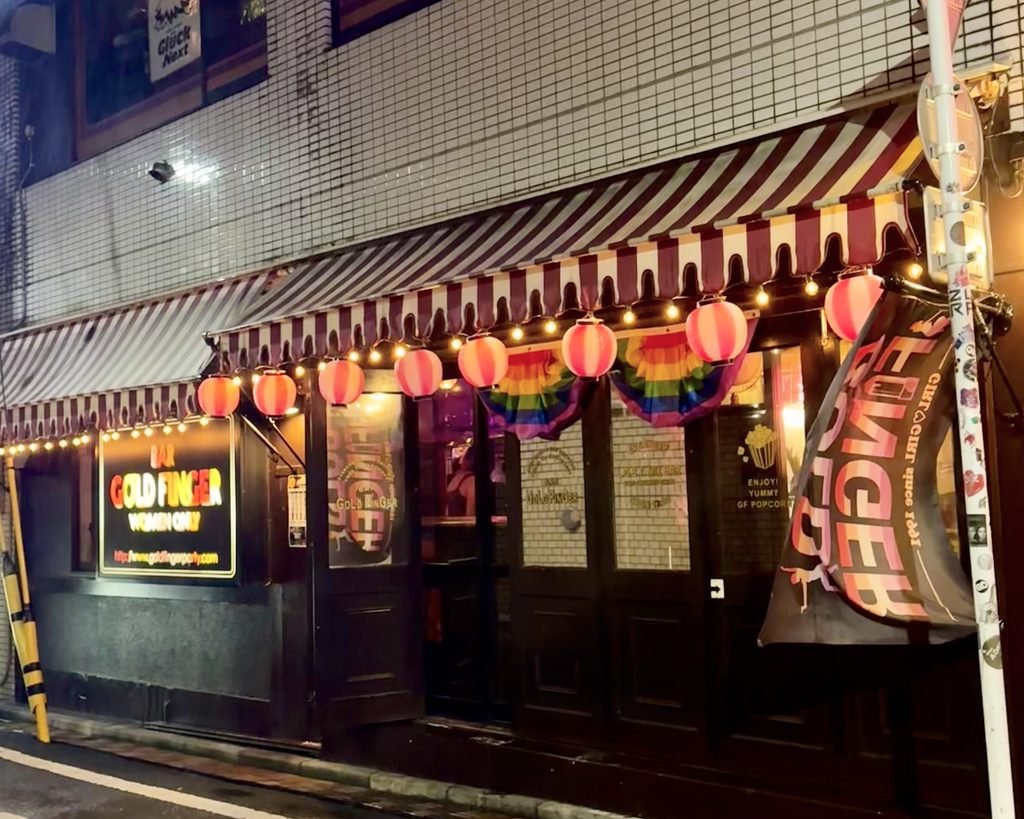
The bar has deep roots in Tokyo’s lesbian community. Its owner started a women-only party called Gold Finger in 1991, but the official brick-and-mortar location came years later. Here’s what to know before you go:
- Saturdays are women only. Other nights, everyone is welcome.
- A drink is required for entry, but non-alcoholic options are available if that’s not your thing!
- Check their Instagram for event nights and current hours.
Lesbian Bars Around Japan
Lesbian bars are rare around the world, so it’s special that Japan has them in several cities. I only made it to Gold Finger, but these come up again and again in recommendations from queer women, including Time Out Tokyo’s guide to Ni-chome’s lesbian bars and EveryQueer’s Tokyo guide. A quick note before you go: these bars are tiny, many run mostly in Japanese, and hours and women-only nights change often, so check each bar’s Instagram or Google Maps listing first.
Beyond Tokyo: Osaka, Kyoto, Sapporo, and Fukuoka
Tokyo gets most of the attention, but Japan’s queer scene extends across the country.
Osaka: Doyama-cho
Osaka’s LGBTQ+ district, Doyama-cho, sits near Umeda, a short walk from JR Osaka Station. It is western Japan’s largest gay district, with dozens of small bars stacked floor by floor in a few blocks of buildings. Osaka is known for being outgoing and friendly, and the scene feels a bit more casual than Tokyo’s. Before you go, browse Visit Gay Osaka, an English-language LGBTQ+ travel site run by the city’s official tourism bureau, with bars, friendly restaurants and hotels, and events.
Kyoto
Kyoto is quieter and more traditional, with a small number of mixed and gay-friendly bars. Many travelers enjoy Kyoto’s temples and gardens by day and take the short train to Osaka for nightlife. It’s also a beautiful choice for a romantic trip. Our honeymoon planning timeline is a great place to start if you’re dreaming of one.
Sapporo
Sapporo, on the northern island of Hokkaido, is often described as one of Japan’s most LGBTQ-friendly cities. It was among the first major cities to introduce a partnership system, its bars cluster in the Susukino entertainment district, and Sapporo Rainbow Pride takes place each September.
Fukuoka
Fukuoka doesn’t have a concentrated queer neighborhood, but there is a small handful of welcoming bars in the Hakata area. It’s a relaxed, food-loving city worth adding to a longer trip.
Queer Japan Beyond the Bars
Bars are a huge part of queer culture, but they aren’t for everyone. Here are a few ways to connect with LGBTQ+ Japan that don’t involve a late night:
- Visit Pride House Tokyo Legacy: Japan’s first permanent LGBTQ+ community center sits in Shinjuku, near Ni-chome. It’s free, welcomes everyone (allies included), and has a library of hundreds of LGBTQ+ books. Check its website for current hours, and note that staff may mainly speak Japanese.
- Spend a daytime in Ni-chome: The neighborhood has cafes and shops that are worth visiting before sundown, like Okamalt, a book café dedicated to LGBTQ+ literature, and Donyoku, a footbath café with a big Pride flag in the window.
- Catch Rainbow Reel Tokyo: Japan’s longest-running LGBTQ+ film festival has been held since 1992, with screenings in Shibuya each June and July.
- Join a queer community event: Groups like the bilingual Tokyo Queer Collective host gatherings, many of them not centered on alcohol. Tokyo Weekender’s guide to queer spaces and communities is a great roundup.
- Take a guided queer tour: In Tokyo, try a small-group LGBTQ+ eating and drinking tour or an evening LGBTQ+ history walking tour. In Osaka, a drag queen–led tour introduces visitors to Doyama-cho.
- Book a private onsen: A ryokan with a private, in-room hot spring is one of the most relaxing (and romantic) ways to experience Japan. More on that below.
And of course, many of Japan’s best moments have nothing to do with queer spaces at all. Take a sushi or ramen class (see our guide to culinary tours), wander Kyoto’s temples and gardens, or try a hands-on craft workshop. Our post on travel itineraries that teach has more ideas for experiences that stay with you.
Tips for LGBTQ+ Travelers in Japan
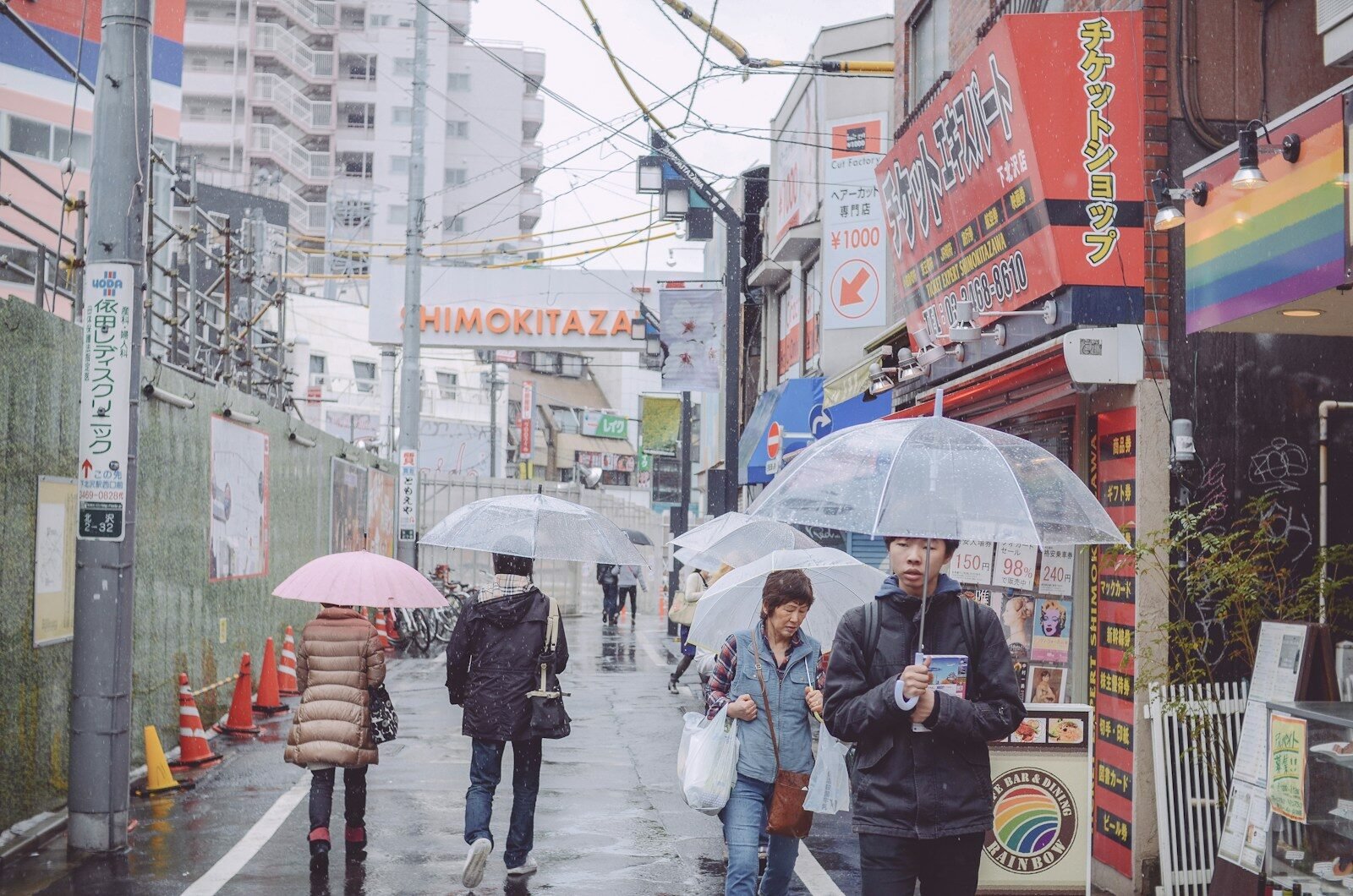
- Some bars are for specific crowds. You may see signs for women only, men only, or Japanese speakers only. It’s not personal. Many bars serve a specific community of regulars. Move on to the next one, there are plenty.
- Expect a cover or drink minimum. Some bars charge a table fee or ask you to order a drink on entry.
- Bring cash. Many small bars still prefer it.
- Learn a few phrases. Many bars run in Japanese, and a little effort goes a long way.
- Keep PDA low-key. This applies to everyone in Japan, not just queer couples.
- Know the emergency numbers. Police are 110, and ambulance or fire is 119.
If you’ll be visiting multiple countries or need a passport refresh before your trip, our guide to stress-free passport travel covers what to check before you go.
What Trans and Nonbinary Travelers Should Know
Japan is generally safe for trans and nonbinary travelers, but a few situations take extra planning.
Onsen (hot springs)
Public baths in Japan are separated by gender and enjoyed nude, which can be stressful for trans and nonbinary travelers. The good news is that private baths are widely available. Look for a kashikiri (private, reservable) bath or kazokuburo (family bath), or stay at a ryokan with a private, in-room onsen.
For couples and trans or nonbinary travelers especially, a luxury ryokan with a private, in-room hot spring is one of the most memorable ways to experience Japan. You get the full onsen experience on your own terms.
Wondering whether to splurge on the ryokan or save for more nights in the city? Our save or splurge budgeting guide can help.
Queer spaces
Policies vary by venue. Some women-only spaces have not always been inclusive of trans women, while other bars and parties are explicitly trans-inclusive. If you are unsure, check a venue’s social media before you go.
Restrooms
Gender-neutral restrooms are becoming more common, especially in Tokyo’s Shibuya neighborhood.
When to Go: Pride Across Japan
Pride isn’t just a Tokyo thing. Cities across Japan hold their own celebrations, and since they’re spread from spring through fall, it’s easy to plan a trip around one. Dates shift year to year, so check each event’s site or Instagram before you book.
- Nagoya Rainbow Pride (mid-May): A parade and festival around Nagoya’s Sakae district.
- Tokyo Pride (early June): One of Asia’s largest Pride celebrations. In 2026, the festival filled Yoyogi Park on June 6 and 7, and the parade wound through Shibuya and Harajuku.
- Sapporo Rainbow Pride (September): A parade, stage performances, and booths in central Sapporo, and a lovely excuse to explore Hokkaido.
- Kanazawa Pride Week (early October): A week of local Pride events in one of Japan’s most beautiful historic cities.
- Rainbow Festa in Osaka (October): Osaka’s annual Pride event, held in Ogimachi Park.
- Hiroshima Pride (October): Hiroshima held its first Pride parade in 2025.
- Kyushu Rainbow Pride in Fukuoka (early November): A two-day event in Tenjin Central Park.
Pride weekends are popular, so if you’d like to plan your trip around one, book early, as hotels fill quickly.
LGBTQ+ Travel in Japan FAQs
Is Japan safe for LGBTQ travelers?
Yes. Japan is one of the safest countries in the world, and same-sex couples rarely face hostility. Queer life is more discreet than in many Western cities, but the major cities have welcoming neighborhoods and nightlife.
Can same-sex couples share a hotel room in Japan?
Yes. Hotels and ryokan generally have no issue with same-sex couples sharing a room.
Is same-sex marriage legal in Japan?
Not yet. Japan does not recognize same-sex marriage nationally, but many cities offer partnership certificates, and the Supreme Court is expected to rule on marriage equality in early 2027.
Where is the gay district in Tokyo?
Shinjuku Ni-chome, a short walk from Shinjuku and Shinjuku-sanchome stations.
Are there lesbian bars in Tokyo?
Yes. Gold Finger, Adezakura, and Puzzle in Shinjuku Ni-chome are favorites with queer women.
Plan Your Trip to Japan With The Trip Atelier
At The Trip Atelier, we believe every traveler deserves a trip where they feel welcome, safe, and completely themselves. Whether you’re planning a honeymoon, a Pride getaway, or your first trip to Tokyo, we can help design an itinerary that fits who you are.
Ready to start planning? Schedule a travel consultation with The Trip Atelier.