Africa – Discovering This Magnificent Continent
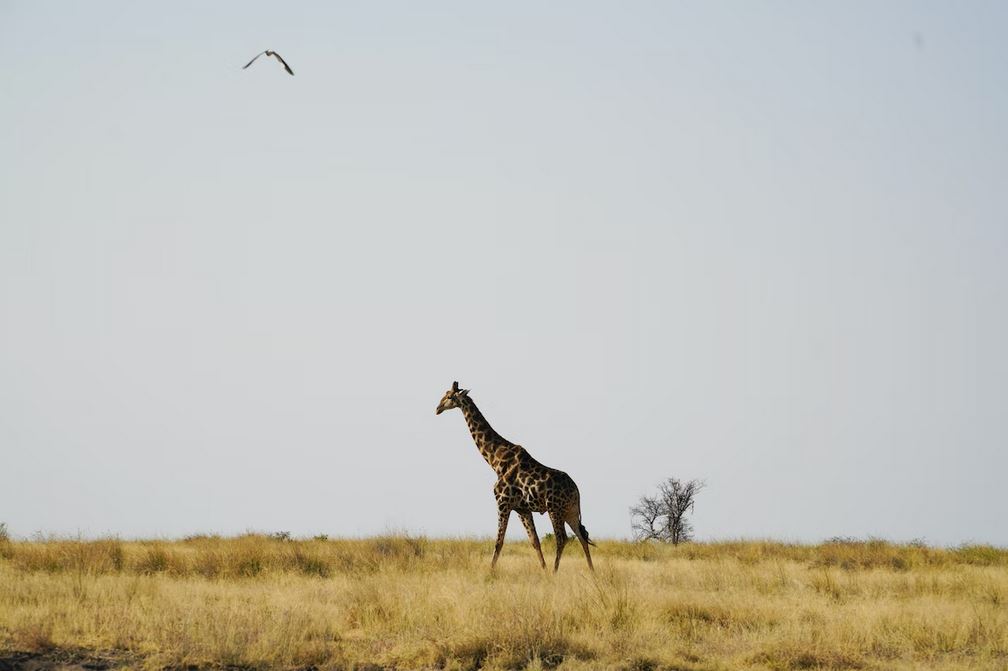
Africa, the second-largest and most populous continent, is a land of immense scale and diversity. Covering approximately 11.7 million square miles, it is vast enough to contain the United States more than three times over. Its geography stretches dramatically from the Mediterranean Sea in the north—where cultural ties connect it to the Middle East—down to the southern tip at the Cape of Good Hope. To the west, Africa meets the Atlantic Ocean, while its eastern edge borders the Indian Ocean, giving the continent a unique position that has shaped its history, trade, and cultural exchanges for centuries.
The continent’s size is striking when considered in relation to familiar distances. For example, Dakar, Senegal, lies only about 4,000 miles from North Carolina, making it closer to the United States than many might expect. A flight from New York to Johannesburg, South Africa, passes Dakar at roughly the halfway point, underscoring Africa’s vast north-to-south expanse. Its western coast extends farther into the Atlantic than Europe, while its eastern edge reaches much farther east, emphasizing its global significance in terms of geography and connectivity.
Beyond its physical scale, Africa is arguably the most culturally diverse continent in the world. With over 1.4 billion people, it is home to thousands of ethnic groups, languages, and traditions. Nearly every nationality and cultural influence seems to find representation here, whether through indigenous heritage, migration, or historical encounters. This diversity is both a source of richness and complexity, shaping Africa’s identity as a continent of contrasts and connections.
Colonial history also played a defining role in Africa’s modern landscape. During the late 19th and early 20th centuries, European powers divided the continent into territories to expand their empires. This carving up of Africa disregarded existing cultural and ethnic boundaries, leaving behind political borders that continue to influence the continent’s dynamics today. Despite this legacy, Africa has emerged as a vibrant region with nations asserting their independence, cultural pride, and global influence.
In essence, Africa is not only vast in size but also in spirit. Its landscapes range from deserts and savannas to rainforests and bustling cities, while its people embody resilience, creativity, and diversity. To explore Africa is to uncover a continent that is both ancient and modern, deeply rooted in tradition yet constantly evolving—a place where history, culture, and geography converge to create one of the most fascinating regions on Earth.
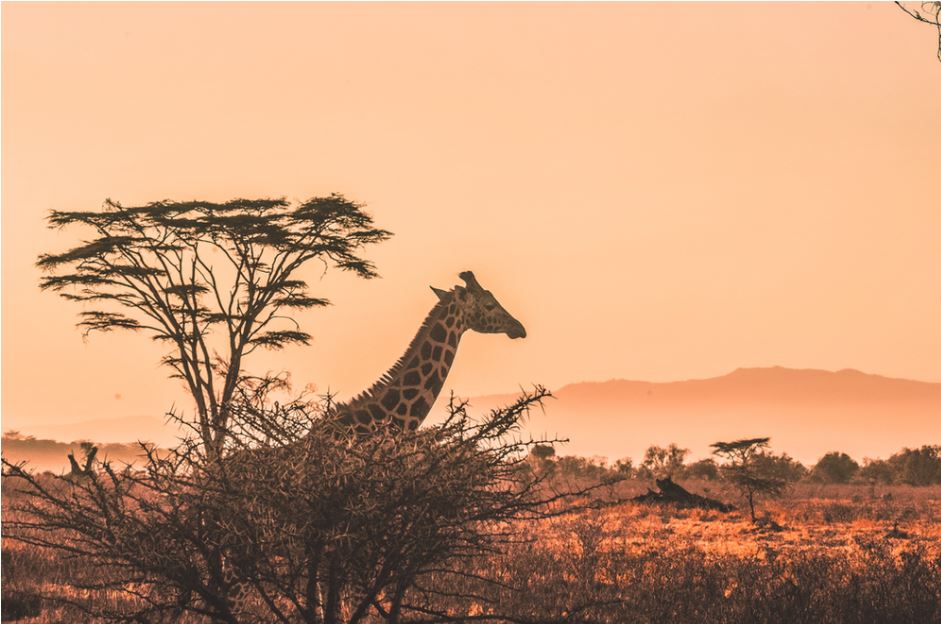
The European influence dates back to 1652 when the Dutch East India Company founded Cape Town as an outpost only a few years after the Dutch West India Company founded what would become New York City.
Cape Town was the first permanent European settlement on this continent. They all left their historical and cultural legacies, their languages, architecture, and infrastructure, which are all part of the rich cultural tapestry of Africa today.
In the 1960s, a wave of African nationalism spread across the continent as one after another the colonies sought and achieved independence. Many of the political struggles were severe and the battle for Africa’s rich resources led in some cases to systematic brutality, which has also left its mark on Africa.
In the 1990s, South Africa, where the colonization all began, finally threw off its oppressive racist government and became a democratic country where all people have the right to vote. It led to an economic and cultural renaissance for the country, which has since moved to the forefront of African tourism.
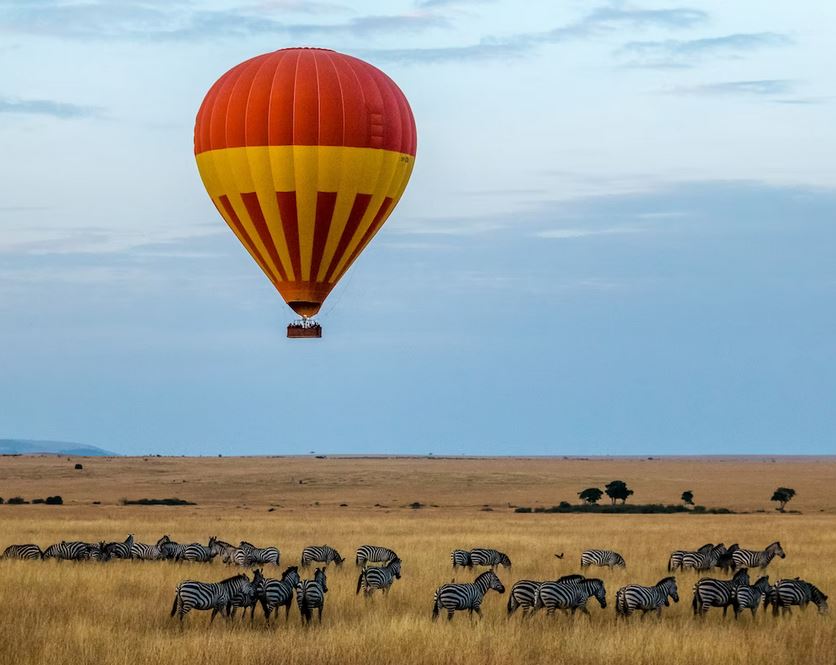
In the north, Africa adjoins with Europe and the Middle East, both geographically and culturally. At the Strait of Gibraltar, Europe and Africa are separated by only 7.7 nautical miles of sea.
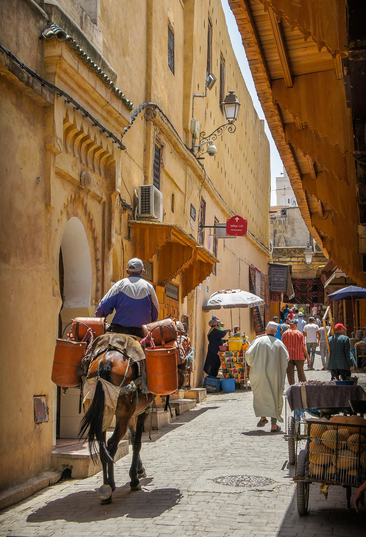
Morocco and Spain practically bleed into each other with their blends of Moorish, Arab, Spanish, French, and Roman influences. The Arab states of Libya, Tunisia, Algeria, and Egypt form the northern rim of Africa.
Egypt is one of the most popular and unique tourist destinations in the world. Morocco is not far behind it. To the south is the great Sahara Desert and below that the great variety of sub-Saharan Africa.
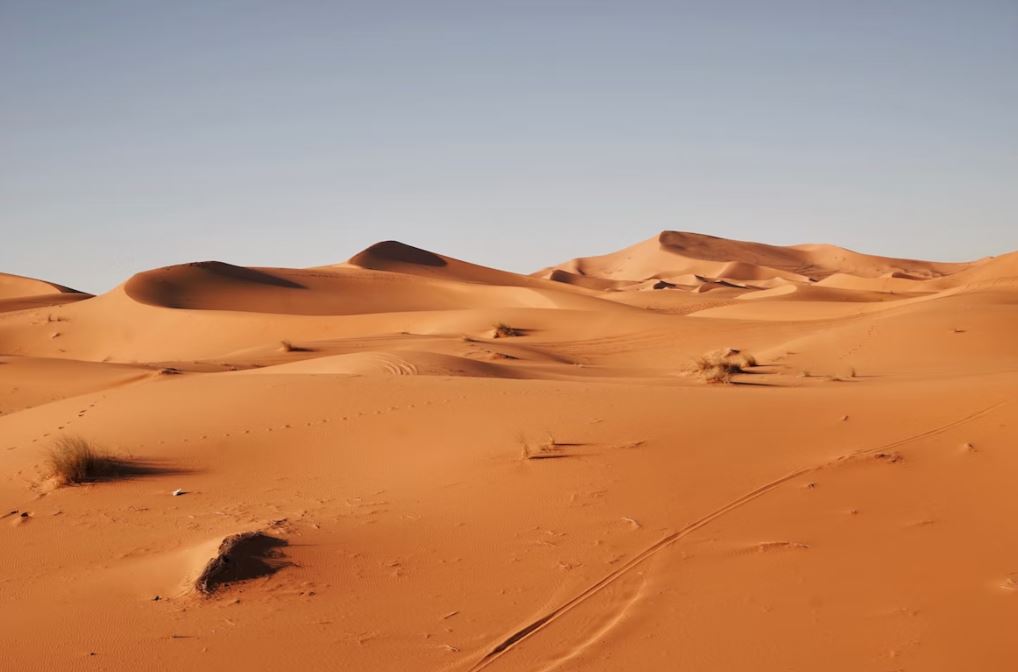
The continent has tremendous geographical diversity, from desert to jungle, forest, savannas, mountains, beaches, and wine lands. And it has the most spectacular wildlife on earth, with elephants, giraffes, zebras, lions, gorillas, rhinos, hippos, antelopes, buffalo, chimps, and baboons.
Which part of Africa’s magnificent beauty would inspire you most to explore this diverse continent? The Trip Atelier takes the stress out of vacation planning. Schedule a consultation and start crafting a memorable vacation today.